Structural design and engineering form the backbone of every safe, durable, and long-lasting construction project. Whether it is a residential home, commercial complex, industrial facility, high-rise building, bridge, or institutional infrastructure, structural engineering ensures that every structure is capable of withstanding loads, environmental conditions, and long-term usage while complying with national building codes and safety standards.
Professional structural engineers combine technical expertise, engineering principles, advanced design software, and practical construction knowledge to create structures that are safe, economical, and efficient. From conceptual planning to detailed structural drawings and site supervision, structural design plays a crucial role in the successful execution of any construction project.
What is Structural Design & Engineering?
Structural design is the process of planning, analyzing, and designing the framework of a building or infrastructure to ensure its strength, stability, and durability. Structural engineers calculate various loads and stresses that a structure will experience throughout its lifespan and develop safe structural systems capable of resisting these forces.
Structural engineering services typically include:
- Structural Design
- RCC Structural Design
- Steel Structure Design
- Foundation Design
- Earthquake-Resistant Design
- Structural Analysis
- Retrofitting Solutions
- Structural Inspection
- Construction Drawings
- Structural Consultancy
- Load Calculations
- Site Supervision
- Structural Audits
- Building Rehabilitation
- Value Engineering
Every design is tailored to meet project requirements while ensuring maximum safety and cost efficiency.
Importance of Structural Engineering
Every construction project depends on a well-designed structural framework. Poor structural planning can result in safety hazards, expensive repairs, construction delays, and reduced building life.
Professional structural engineering helps achieve:
- Structural safety
- Long-term durability
- Efficient load distribution
- Cost-effective construction
- Earthquake resistance
- Wind resistance
- Code compliance
- Reduced maintenance costs
- Better construction quality
- Enhanced property value
Proper engineering ensures that buildings remain safe and functional for decades.
Residential Structural Design
Residential buildings require carefully designed structural systems to provide safety and comfort for occupants.
Structural engineering services for residential projects include:
- Independent Houses
- Villas
- Apartments
- Duplex Homes
- Farmhouses
- Luxury Residences
- Builder Floors
- Housing Projects
Engineers design structural elements that ensure stability while allowing architectural flexibility and modern living spaces.
Commercial Structural Engineering
Commercial buildings often involve larger spans, heavier loads, and complex architectural layouts.
Commercial structural design covers:
- Office Buildings
- Shopping Malls
- Retail Stores
- Hotels
- Hospitals
- Educational Institutions
- Warehouses
- Showrooms
- Multiplexes
- Business Parks
These projects require advanced structural analysis to support heavy occupancy and long-term operational efficiency.
RCC Structural Design
Reinforced Cement Concrete (RCC) remains one of the most widely used construction materials.
Professional RCC design includes:
- Beams
- Columns
- Slabs
- Foundations
- Staircases
- Retaining Walls
- Water Tanks
- Lift Cores
- Shear Walls
Accurate reinforcement detailing improves structural strength while optimizing construction costs.
Steel Structure Design
Steel structures offer excellent strength, flexibility, and faster construction timelines.
Steel engineering services include:
- Industrial Sheds
- Factory Buildings
- Warehouses
- Commercial Structures
- Steel Frames
- Mezzanine Floors
- Roof Structures
- Space Frames
Proper steel detailing ensures safe fabrication and efficient installation.
Foundation Design
The foundation is the most critical component of any structure as it transfers building loads safely to the ground.
Foundation design includes:
- Isolated Footings
- Combined Footings
- Raft Foundations
- Pile Foundations
- Mat Foundations
- Retaining Structures
Engineers evaluate soil conditions, load requirements, and environmental factors before selecting the appropriate foundation system.
Structural Analysis
Structural analysis helps engineers understand how buildings respond to different loads and environmental conditions.
Analysis includes:
- Dead Load Analysis
- Live Load Analysis
- Wind Load Analysis
- Earthquake Load Analysis
- Dynamic Analysis
- Load Combination Studies
- Deflection Analysis
- Stress Analysis
Advanced engineering software enables precise calculations and optimized structural performance.
Earthquake-Resistant Design
In seismic regions, earthquake-resistant structural design is essential for protecting life and property.
Engineers incorporate:
- Ductile detailing
- Shear walls
- Seismic joints
- Proper reinforcement
- Structural stability systems
- Load path continuity
These features improve building performance during earthquakes while minimizing structural damage.
Structural Inspection & Audit
Existing buildings require periodic inspections to evaluate structural health and identify potential issues.
Structural audits assess:
- Cracks
- Settlement
- Corrosion
- Concrete deterioration
- Reinforcement exposure
- Water damage
- Structural distress
- Load-bearing capacity
Timely inspections help prevent major failures and costly repairs.
Building Retrofitting & Rehabilitation
Older buildings often require strengthening to meet current safety standards.
Retrofitting services include:
- Structural strengthening
- Column jacketing
- Beam strengthening
- Foundation improvement
- Carbon fiber reinforcement
- Steel reinforcement
- Crack repair
- Seismic retrofitting
Professional rehabilitation extends the life of existing structures while improving safety.
Construction Drawings & Documentation
Detailed structural drawings are essential for accurate project execution.
Documentation includes:
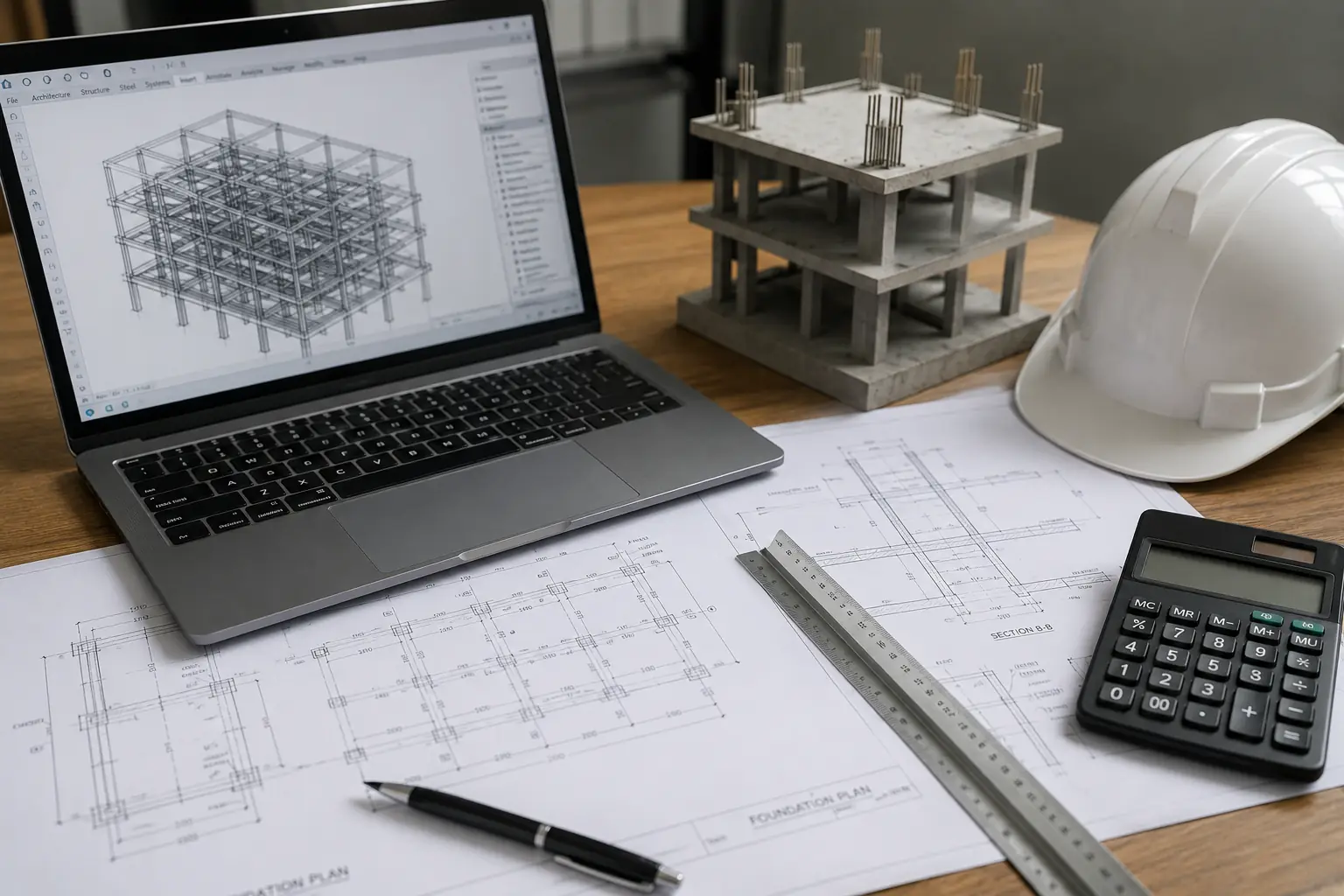
- Structural Layouts
- Foundation Drawings
- Beam Details
- Column Schedules
- Slab Reinforcement
- Steel Detailing
- Bar Bending Schedules
- Construction Notes
Clear drawings reduce construction errors and improve project efficiency.
Value Engineering
Value engineering focuses on achieving maximum structural performance while minimizing construction costs.
Benefits include:
- Material optimization
- Cost savings
- Efficient structural systems
- Reduced wastage
- Faster construction
- Improved sustainability
This approach helps clients obtain economical solutions without compromising safety or quality.
Benefits of Professional Structural Engineering
Hiring experienced structural engineers offers numerous advantages:
- Safe building design
- Code-compliant structures
- Optimized construction costs
- Improved durability
- Better project planning
- High-quality documentation
- Reduced construction risks
- Efficient material usage
- Long-term structural reliability
- Increased property value
Professional engineering minimizes errors while ensuring successful project completion.
Industries Served
Structural engineering services are suitable for:
- Residential Construction
- Commercial Buildings
- Industrial Projects
- Educational Institutions
- Hospitals
- Hotels
- Infrastructure Projects
- Government Buildings
- Warehouses
- Manufacturing Units
- Real Estate Developers
- Institutional Projects
Every project benefits from expert structural planning and engineering supervision.
Why Choose Professional Structural Design & Engineering Services?
Experienced structural engineers combine technical expertise, innovative design methods, advanced engineering software, and practical construction knowledge to deliver safe, efficient, and economical structural solutions. Every project is designed according to applicable building codes, engineering standards, and client requirements while maintaining the highest levels of safety and quality.
Whether you’re planning a new residential home, commercial building, industrial facility, renovation, or infrastructure project, professional structural design and engineering services ensure that your investment is built on a strong, reliable, and future-ready foundation. By prioritizing safety, durability, sustainability, and precision, structural engineers help create buildings that stand the test of time.